March 3, 2026
When people think of rural landscapes, the iconic silhouette of pole barns often comes to mind. These structures have long been a staple of agricultural life, but their utility has expanded far beyond simple tractor storage. Today, they represent a blend of traditional reliability and modern engineering that appeals to a wide variety of property owners. Understanding the unique characteristics of these buildings reveals why they remain a popular choice across the country. From their structural integrity to their surprising adaptability, there is much to learn about what makes these units a standout option for permanent construction. By exploring the lesser-known aspects of these buildings, one can appreciate the thoughtful design that goes into every square foot.
Historical Roots and the Evolution of Design
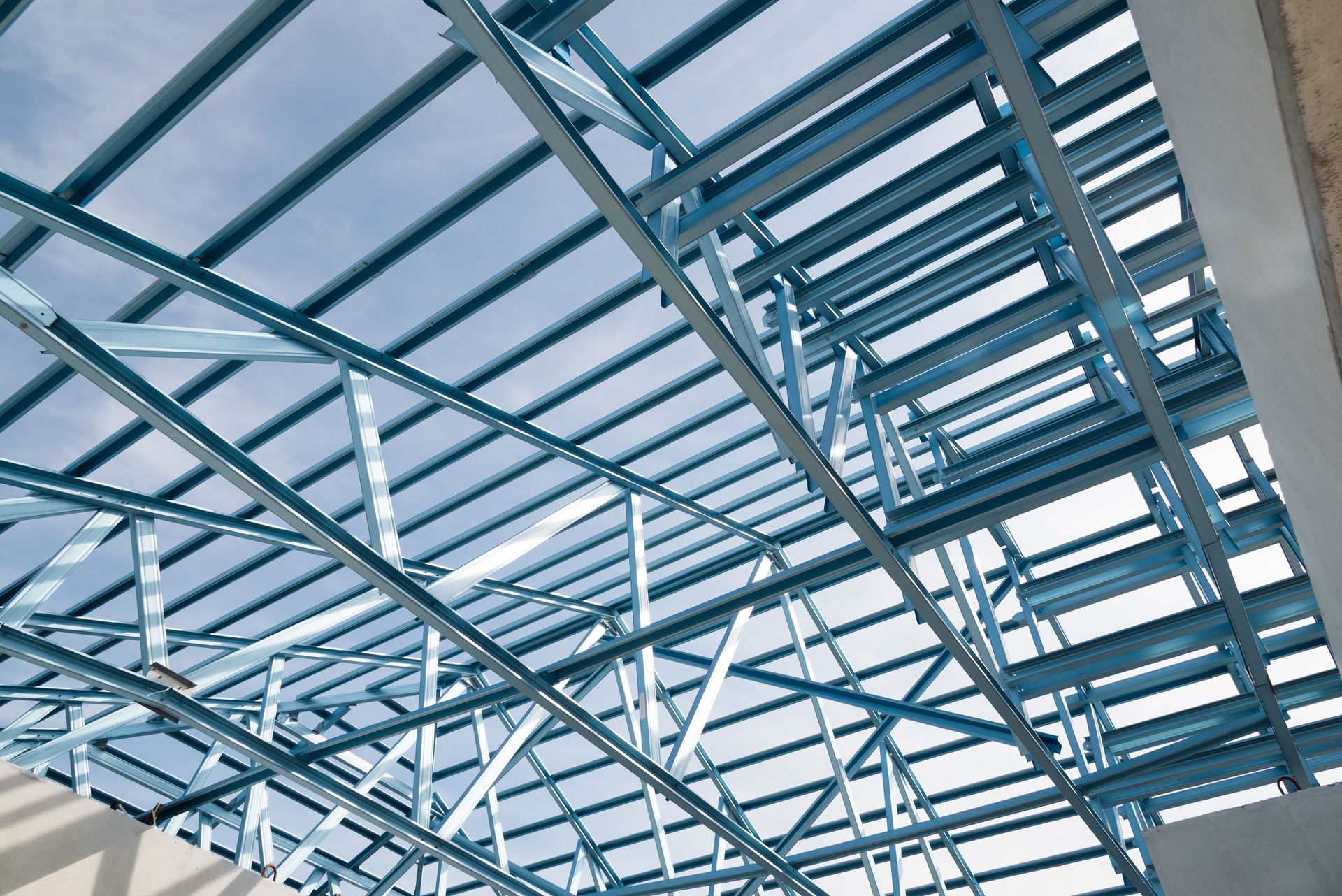
The history of pole barns is rooted in necessity and resourcefulness. Originally developed during the Great Depression, these structures were designed to be built quickly with minimal materials. The initial concept used recycled telephone poles as the primary support system, which gave the style its name. Over the decades, the engineering behind these buildings has advanced significantly. While the name remains the same, the materials have transitioned to high-quality treated lumber and sophisticated metal components. This evolution has allowed the structures to move from temporary farm sheds to permanent, high-performance buildings that can serve as commercial warehouses or even luxury residential spaces.
The Structural Integrity of Post-Frame Construction
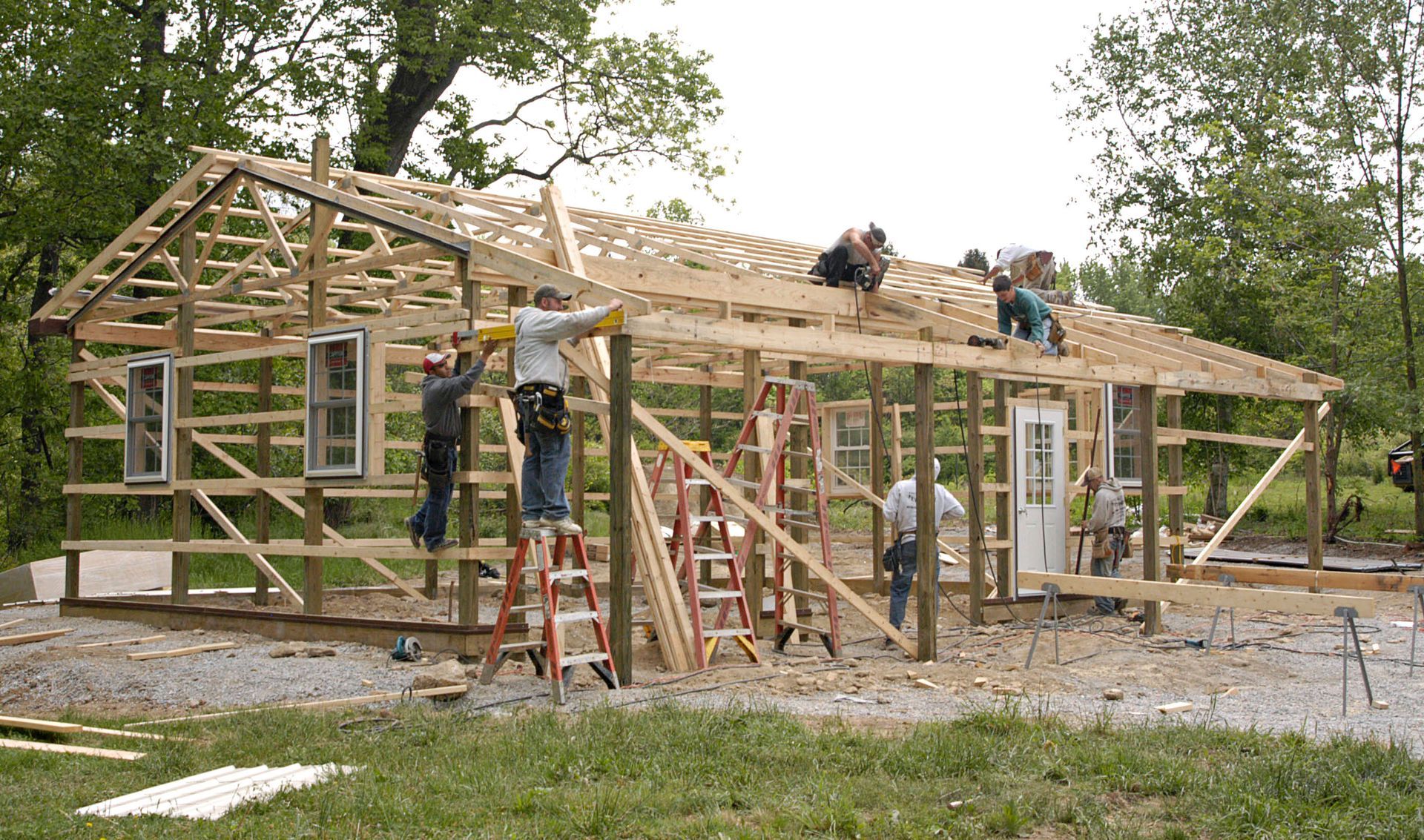
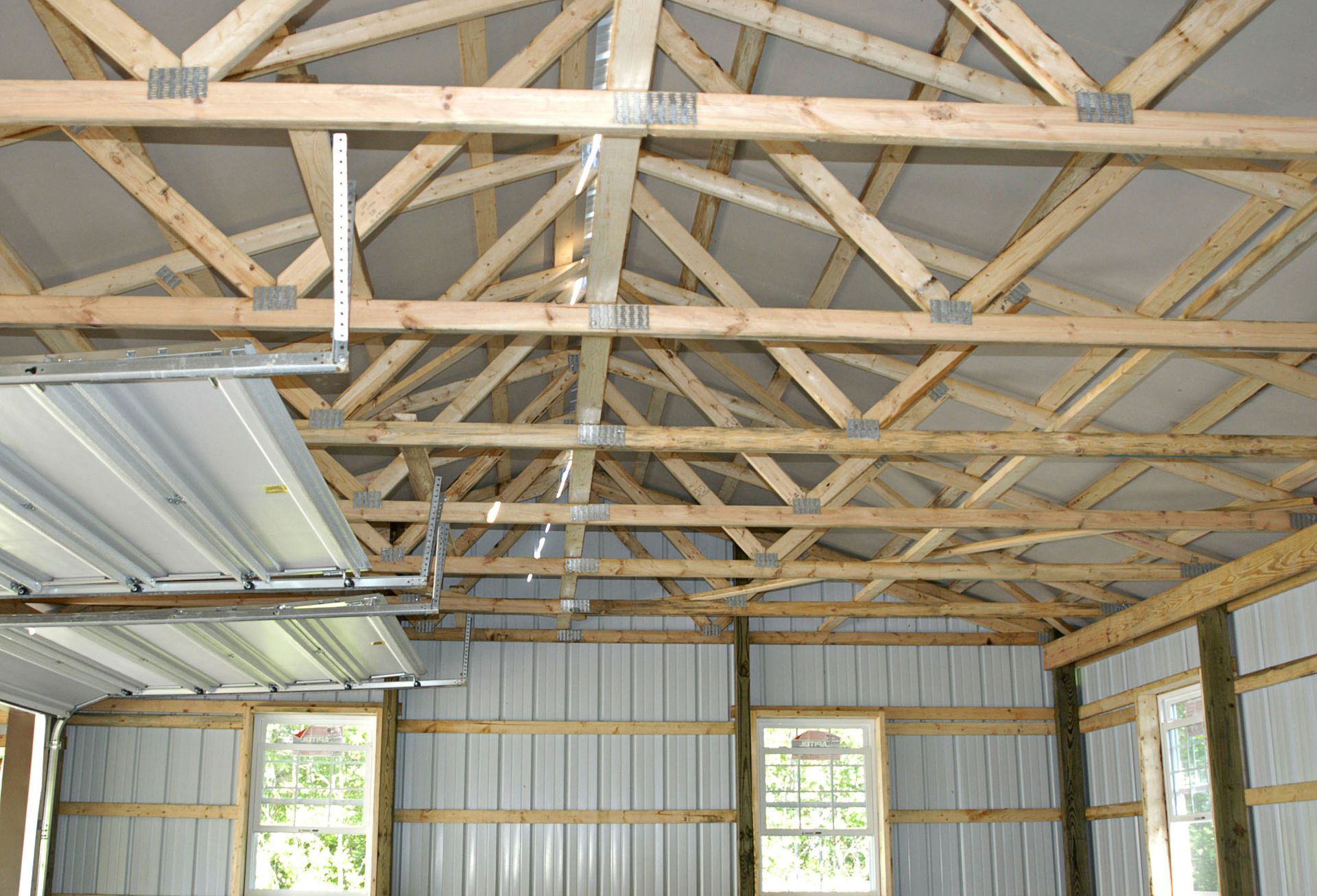
One of the most impressive features of pole barns is the way they handle structural loads. Unlike traditional stick-built homes that rely on a continuous foundation and load-bearing interior walls, these buildings use large posts buried deep in the ground or anchored to a slab. This transfer of weight directly to the earth allows for massive, open interior spaces without the need for intrusive support columns. This design makes them incredibly resilient against lateral forces like wind. The engineering is so robust that many industrial facilities utilize this exact method to ensure long-term stability in harsh environments.
Impressive Longevity and Material Durability
A common misconception is that these structures are less durable than masonry or traditional timber frame buildings. However, the modern materials used in their construction are specifically treated to resist decay, pests, and moisture. According to HomeGuide, pole barns last 40 to 60 years on average. This impressive lifespan is a result of the high-grade steel siding and specialized wood treatments that protect the skeleton of the building from the elements. When maintained by professionals, these structures can easily serve multiple generations, providing a reliable space for work, storage, or living.
Exceptional Efficiency in Thermal Regulation
Many people are surprised to learn that pole barns can be exceptionally energy efficient. Because the posts are spaced further apart than the studs in a traditional wall, there are fewer thermal bridges where heat can escape. This spacing creates large cavities that can be filled with high-performance insulation, such as spray foam or thick batts. When combined with modern vapor barriers and vented roofing systems, these buildings can maintain a consistent internal temperature throughout the year. This makes them ideal for temperature-sensitive storage or conditioned workspaces that require climate control without astronomical utility bills.
Adaptability for Diverse Functional Needs
The interior of pole barns serves as a blank canvas for any project. Without the restriction of load-bearing interior walls, the floor plan can be customized to suit any requirement. A single structure could be partitioned to include a high-ceiling workshop, a mezzanine office, and a dedicated storage area all under one roof. This flexibility is a major draw for business owners who need a space that can grow and change with their operations. Whether the goal is to create a commercial storefront or a private hobby hanger, the post-frame method provides the necessary volume and layout freedom.
Environmental Benefits of Reduced Material Waste
In an era where sustainable construction is increasingly important, pole barns offer a more eco-friendly alternative to many traditional building methods. The post-frame design requires fewer raw materials than a standard stud-wall building of the same size. Additionally, because the structure does not always require a full continuous concrete footer, the environmental impact of concrete production is significantly reduced. Most of the metal used in the siding and roofing is also recyclable at the end of its life cycle. Choosing this path often means a smaller carbon footprint for the duration of the construction process.
Enhanced Resistance to Extreme Weather Events
The deep-set posts of pole barns act like the roots of a tree, providing incredible resistance to uplift during high-wind events like windstorms or heavy gales. While traditional buildings might shift on their foundations, the anchored posts of a post-frame structure remain firmly in place. This makes them a preferred choice in regions prone to heavy snow loads or high winds. The flexibility of the wood combined with the strength of the steel creates a building that can move slightly under pressure without suffering catastrophic structural failure, keeping the contents inside protected even in volatile climates.
Speed of Professional Installation and Completion
Time is often a critical factor in any construction project. One of the reasons pole barns are so prevalent is the speed with which a professional crew can erect the primary shell. Because the foundation work is less intensive than a full basement or crawlspace, the building can be framed and weathered-in much faster than other types of structures. This efficiency reduces the time the site is exposed to the elements and allows the interior work to begin sooner. For businesses or homeowners on a tight schedule, this rapid turnaround is a significant advantage that minimizes disruption to daily routines.
Aesthetic Versatility and Modern Curb Appeal
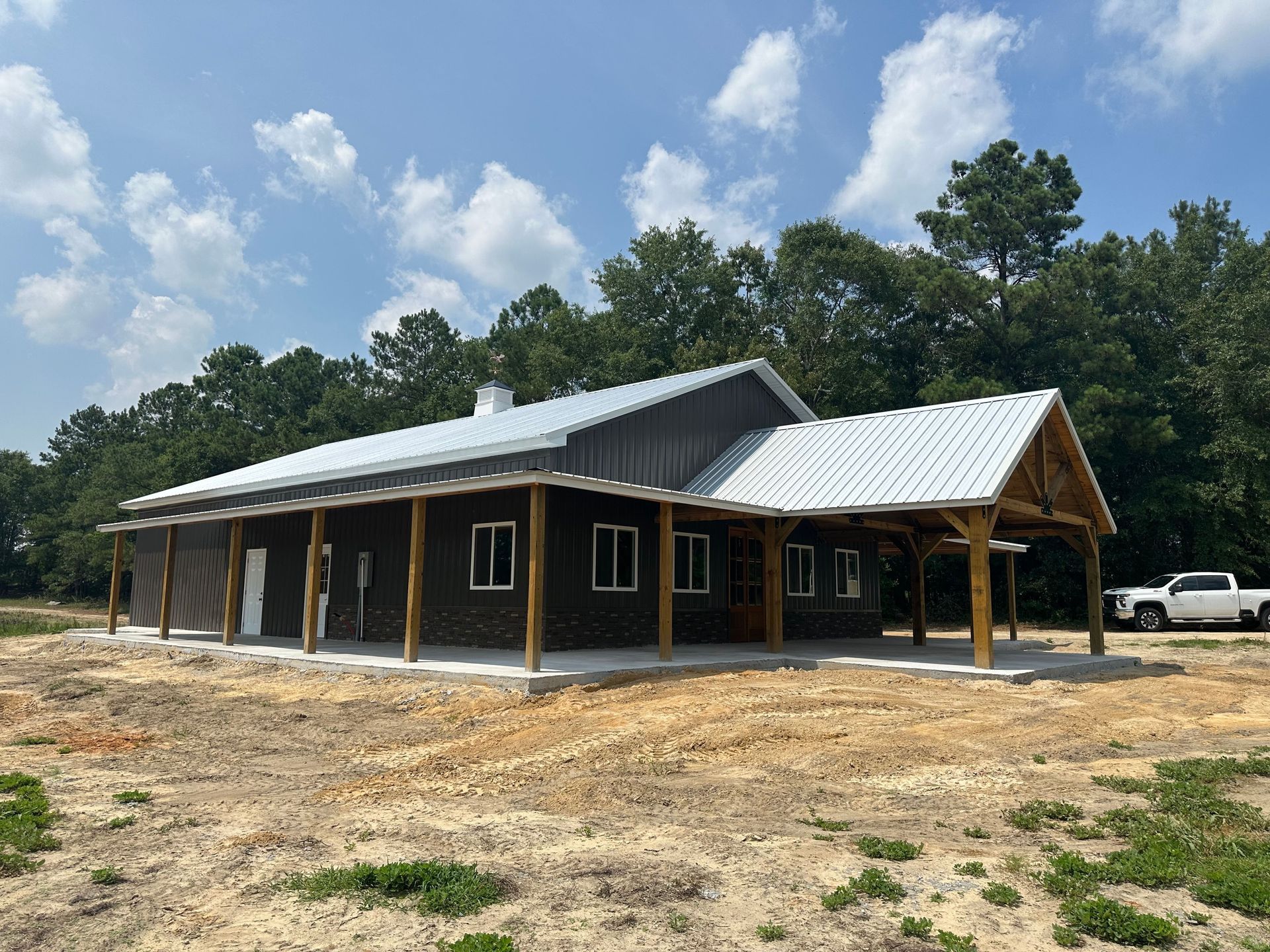
Modern pole barns are no longer limited to the classic red-and-white color scheme seen on vintage farms. Current design options include a vast array of colors, textures, and architectural details. It is common to see these buildings finished with stone wainscoting, covered porches, and elegant cupolas that rival the appearance of any high-end custom home. The ability to mix materials like wood, steel, and glass allows for a contemporary look that fits into any neighborhood. This aesthetic flexibility ensures that the building adds value to the property while serving its functional purpose.
Streamlined Site Requirements and Preparation
Preparing a site for pole barns is generally less invasive than for other types of construction. Since the structure does not require a deep, continuous trench for a foundation, the amount of earth moving and site disturbance is significantly lower. This is particularly beneficial on properties with uneven terrain or sensitive landscapes. Professionals can often level the specific area for the posts while leaving the surrounding land relatively untouched. This ease of site integration makes it possible to place these buildings in locations where traditional construction might be too difficult or costly to implement.
Choosing a post-frame structure is an investment in the long-term utility and value of a property. These buildings offer a unique combination of strength, efficiency, and beauty that few other construction styles can match. By understanding the engineering and history behind them, it becomes clear that they are a sophisticated solution for modern space requirements. When the focus is on quality and professional execution, the result is a building that stands the test of time while meeting every functional demand. Embracing this versatile building method ensures that your property is equipped for whatever the future holds. Contact Hershberger's Construction to begin planning your next project.