November 6, 2026
In recent years, the frequency and intensity of severe weather events have risen significantly, prompting a crucial need for structures that can withstand these conditions. Hurricanes, tornadoes, and other natural disasters demand resilient building designs to protect lives and assets. Pole barns have emerged as an ideal solution for such challenges, offering strength and durability unmatched by traditional construction methods. These versatile structures are increasingly recognized not just in rural settings but also in urban landscapes where their reliability in adverse weather is invaluable. As we look for effective ways to mitigate the impacts of climate change, pole barns present a compelling option.
1. The Structural Integrity of Pole Barns
Pole barns are characterized by their deep-set posts, which provide a stable foundation capable of withstanding significant external pressures. These posts are typically embedded several feet into the ground, using the earth itself to provide natural support, minimizing the risk of structural collapse. The embedded nature of the poles reduces reliance on traditional foundations, offering flexibility in diverse soil conditions and geographic locations. This foundational design is key to the pole barn's ability to withstand high winds, heavy snow loads, and seismic activity. Such resilience has led to an increased adoption of pole barns in areas prone to severe weather, where traditional structures might falter.
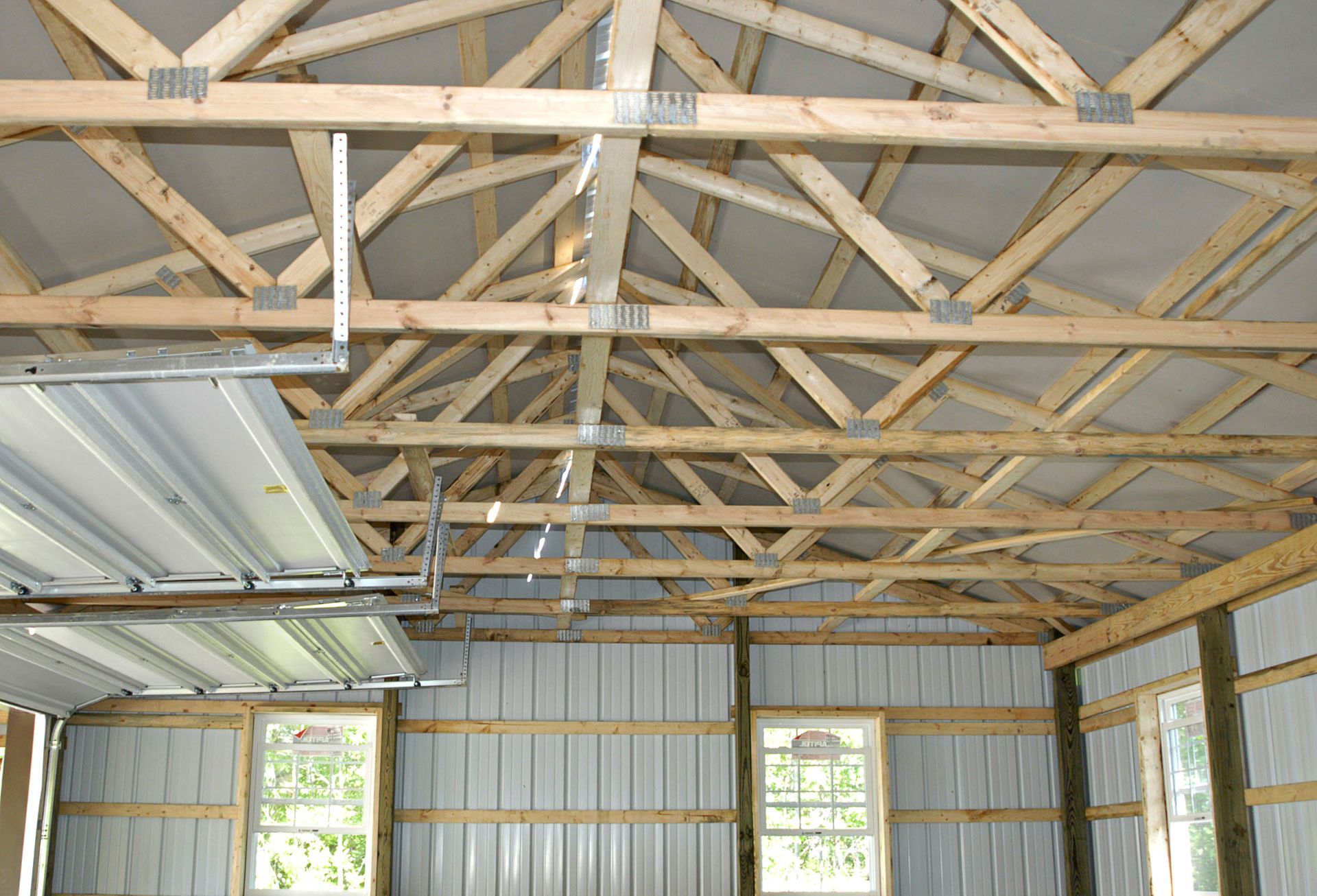
The engineered truss system used in pole barns is another critical component contributing to their durability. These trusses are designed to evenly distribute weight across the structure, preventing weak points and enhancing overall stability. The truss systems are meticulously calculated and tested to endure high-stress scenarios, often outperforming conventional roof designs. This approach not only extends the lifespan of the building but also provides peace of mind to the owners during adverse weather conditions. Furthermore, this level of engineering ensures that pole barns can adapt to various architectural designs while maintaining their integrity.
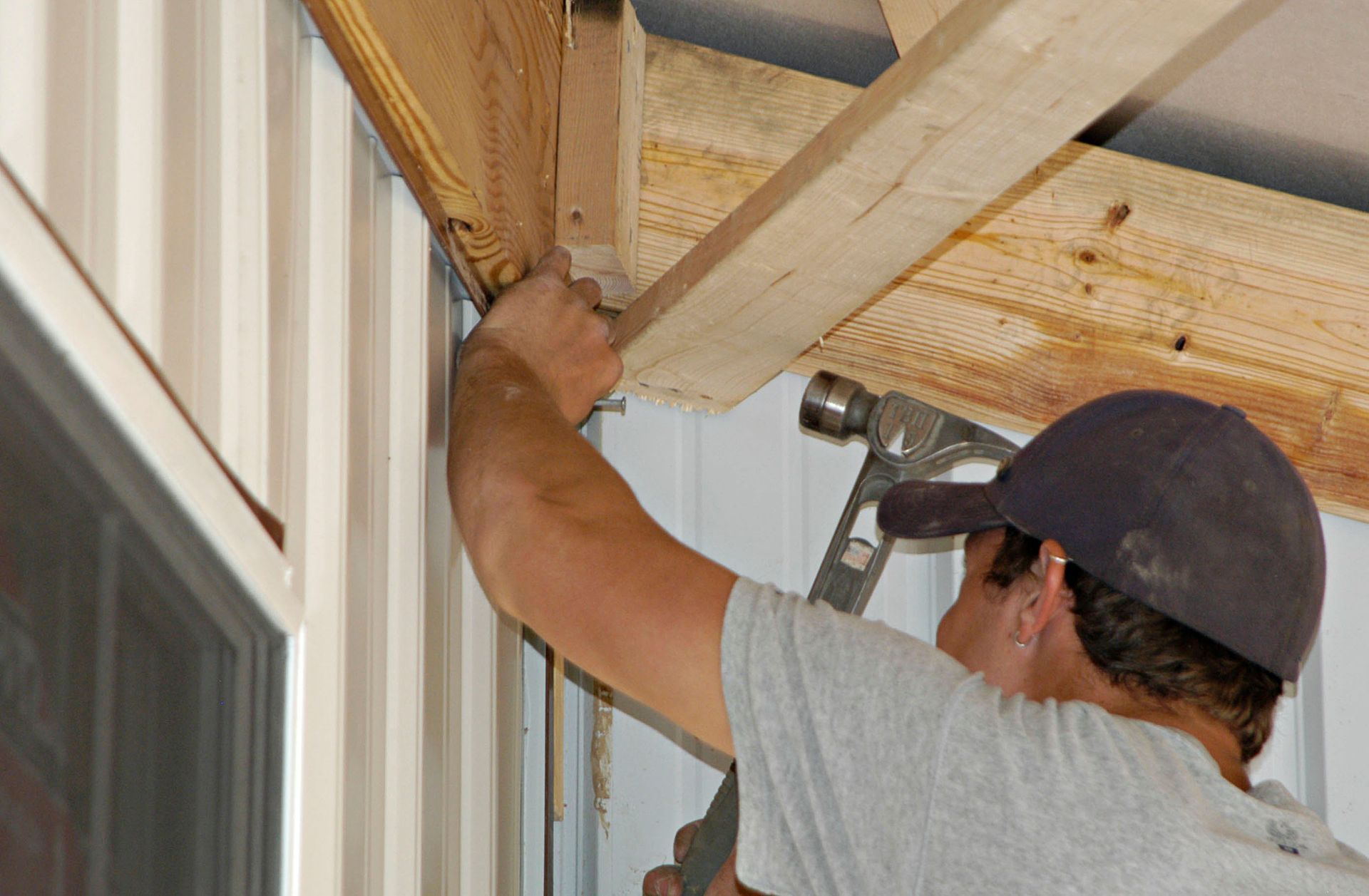
Additionally, pole barns incorporate load-bearing wall designs that further enhance their capacity to withstand environmental stress. These walls are strategically constructed to manage loads from both the roof and potential outside forces such as wind and snow. The integration of wind-resistant features, such as reinforced connections and aerodynamic designs, allows pole barns to endure strong gales without sustaining damage. Unlike traditional wooden or brick structures, pole barns' unique design mitigates risk through redundancy and reinforcement. Innovations such as these showcase why pole barns remain standing when other structures might succumb.
2. Versatility in Building Materials
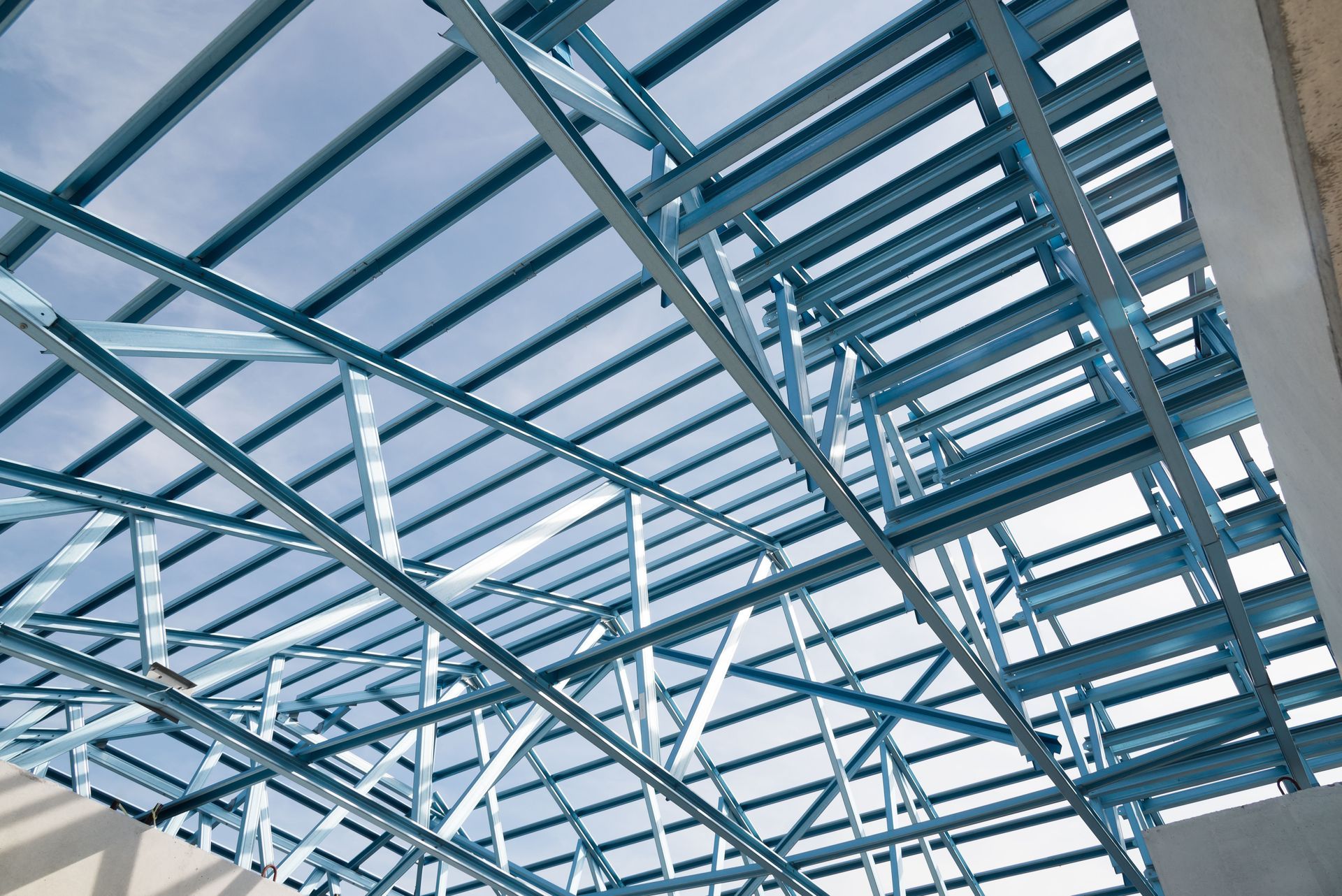
Pole barns offer a wide array of building material options, allowing for customization to meet specific needs and budget constraints. Pressure-treated wood is commonly used for the posts and framing, providing resistance to decay and insect damage over time. This treatment significantly extends the life of the wood, ensuring long-term structural integrity despite exposure to environmental elements. The use of steel, which comprises about 95 percent of all the tonnage of metal produced annually in the United States, presents another durable option. Steel siding and roofing add additional strength and weather resistance, crucial for safeguarding against heavy rain, hail, and other harsh conditions.
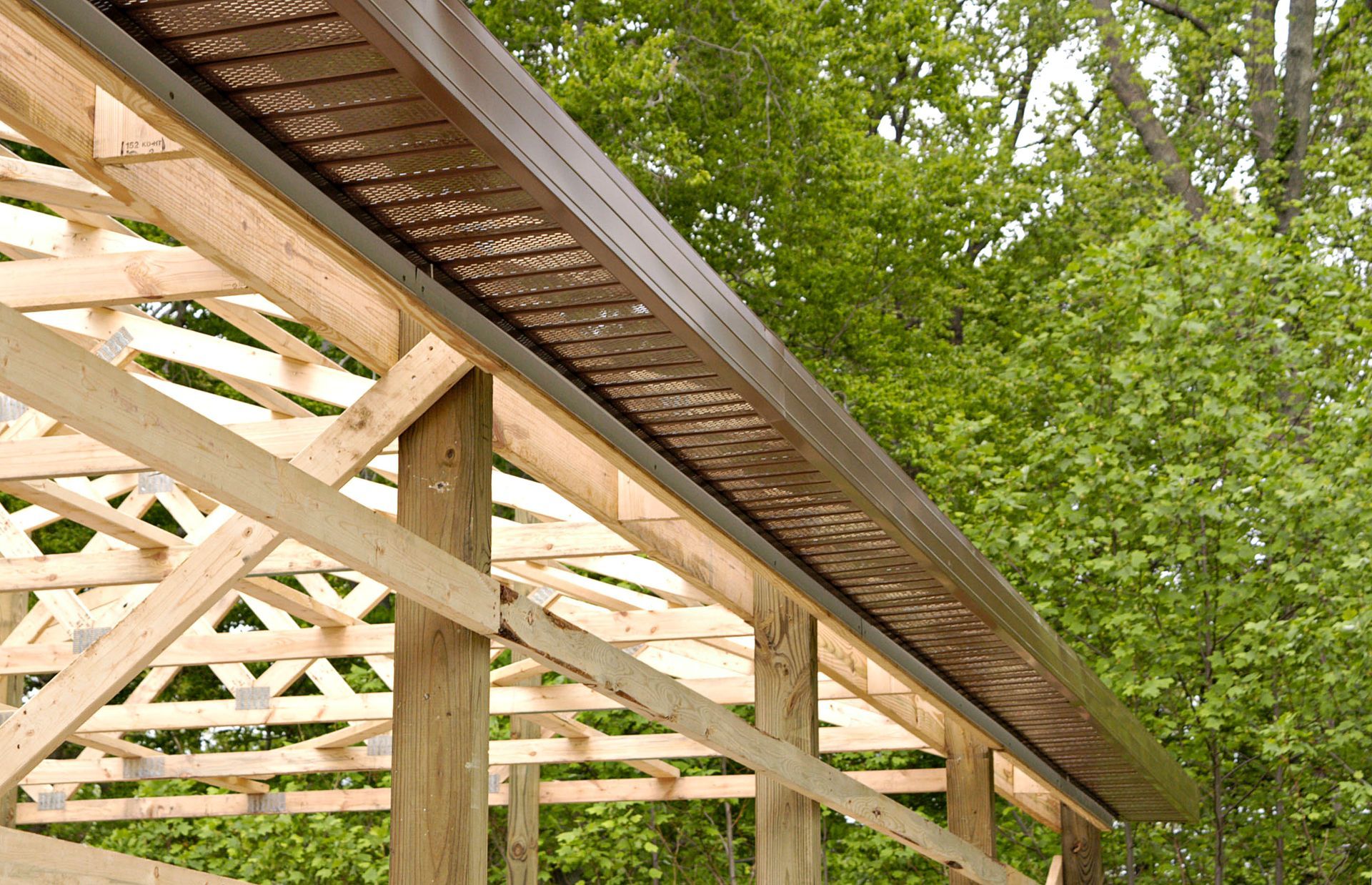
Metal siding and roofing not only enhance the aesthetic appeal of pole barns but also contribute significantly to their weather resilience. The application of galvanized steel or aluminum panels ensures protection from rust and corrosion, extending the structure's usability. Moreover, metal roofing is particularly effective at deflecting rain, snow, and direct impact from falling debris, further safeguarding the interior of the barn. These materials are readily available and relatively inexpensive, offering cost-effective solutions without compromising on durability. The versatility in material selection allows pole barn owners to prioritize elements such as appearance, cost, and functionality according to individual priorities.
Another advantage of pole barns is the usage of weather-resistant fasteners and concrete options that contribute to the structure's overall sturdiness. These fasteners secure the key structural components, preventing loosening and displacement over time. The ability to mix different concrete mixtures gives builders the flexibility to adapt the foundation and flooring to specific operational needs. Moreover, incorporating insulation and vapor barriers protects the structure from internal temperature fluctuations and moisture accumulation. This customization ensures that pole barns maintain internal climates conducive to a variety of uses, from agriculture to commercial applications.
3. Cost Effectiveness and Economic Resilience
Pole barns offer a financially attractive alternative to traditional building methods, especially given their lower initial investment. Compared to conventional barns and storage facilities, pole barns require less material and labor to erect, reducing upfront costs. The simplicity of the design allows for quicker assembly, minimizing expensive labor costs during the construction phase. Additionally, the reduced need for a full foundation translates to considerable savings, making pole barns accessible for a broad range of projects. For individuals and businesses alike, the economic benefits of choosing pole barns are clear and substantial, particularly in economically volatile times.
Longevity and durability contribute to the economic resilience of pole barns. These structures are designed to last for decades, often outliving their traditional counterparts by withstanding severe weather and environmental stressors. Insurance benefits also play a role in the financial viability of pole barns, as their resilience often results in lower premiums. Insurance providers recognizing the lower risk associated with pole barns allow owners to enjoy reduced costs, further enhancing their return on investment. This financial durability ensures pole barns remain a sound investment, balancing upfront affordability with long-term value.
4. Environmental Considerations
In addition to their economic advantages, pole barns offer significant environmental benefits, making them a sustainable choice for modern construction. One such advantage is energy efficiency; the design of pole barns naturally allows for significant insulation potential, reducing the need for heating and cooling. With proper insulation and vapor barriers, these structures can maintain consistent internal temperatures, minimizing energy consumption. This efficiency results in lower utility costs and reduced carbon footprints, aligning with global efforts to combat climate change by minimizing resource use. Such eco-friendly attributes position pole barns as an environmentally responsible choice in both urban and rural settings.
Sustainable materials are at the core of pole barns' environmental appeal. The use of renewable resources, like sustainably harvested wood, reduces the environmental impact compared to non-renewable construction methods. Moreover, the utilization of recycled metal in siding and roofing aligns with efforts to reduce waste and promote circular material use. According to the United States Geological Survey, iron and steel, which comprise about over 90% of all metal tonnage produced annually in the U.S. and the world, are key materials that can be continuously recycled without degrading their integrity. By opting for metal components, pole barn construction contributes to broader sustainability goals.
Pole barns represent a formidable option for weathering the storm, offering structural resilience, economic benefits, and environmental responsibility. Their ability to withstand severe weather while providing customizability and aesthetic value makes them a versatile solution for modern construction needs. By integrating advanced engineering with sustainable materials, pole barns address both present-day challenges and future uncertainties. As communities increasingly encounter the impacts of climate change, considering pole barns for future construction projects is not only prudent but essential. They provide a balanced approach to safety, sustainability, and investment, paving the way for resilient and secure building practices. Be sure to reach out to Hershberger's Construction today to learn more about our professional
pole barns!